Journaling is impactful because it creates a unique space where multiple powerful psychological processes converge:
It externalises internal chaos. The simple act of moving thoughts from your mind to paper transforms abstract worries into manageable, concrete problems. This shift from internal rumination to external observation gives you psychological distance and clarity you can’t achieve through thinking alone.
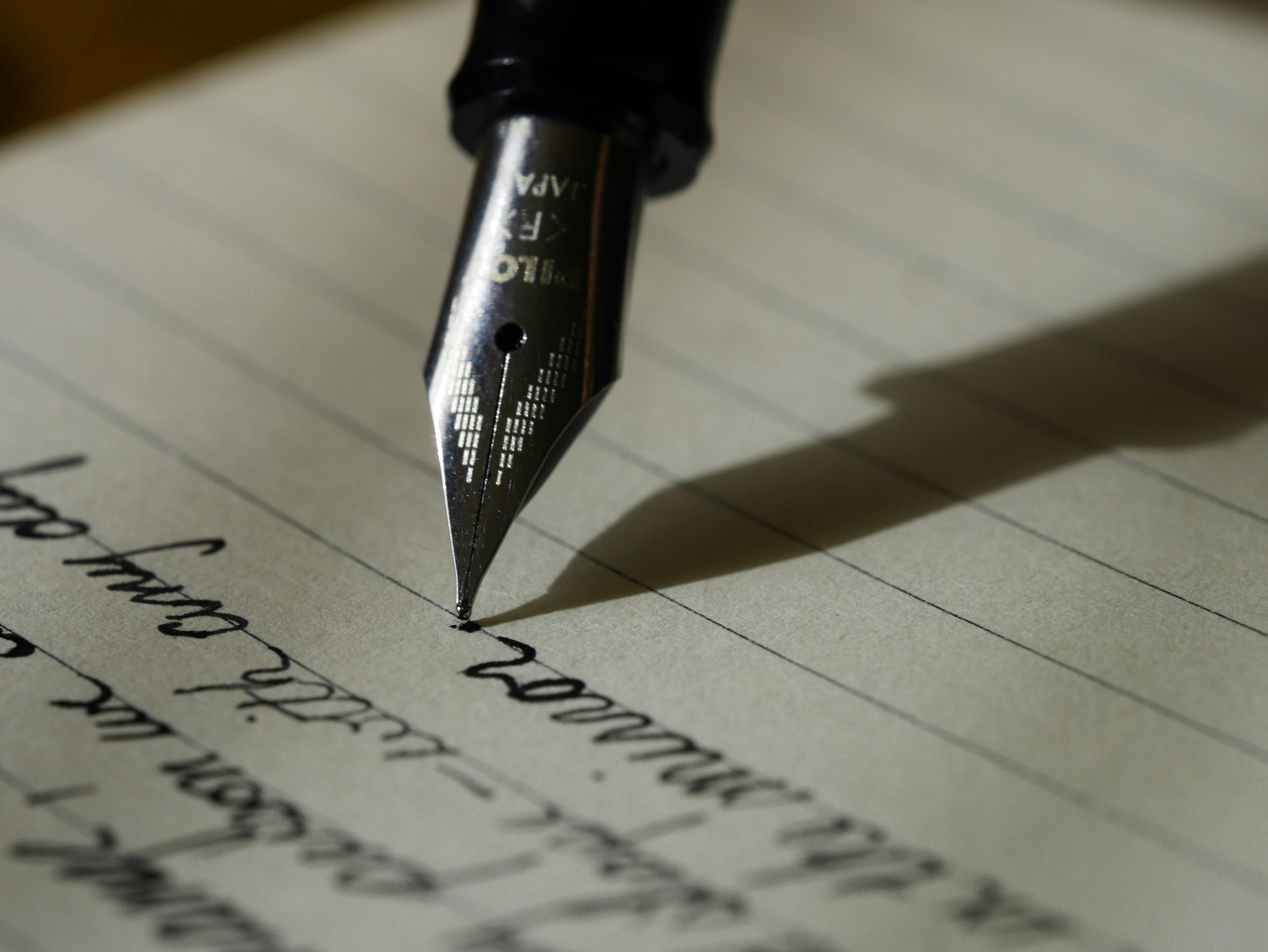
It activates neuroplasticity (brain’s ability to change and adapt due to experience). Writing engages both analytical and creative brain regions simultaneously, literally rewiring neural pathways. The physical act of writing (especially by hand) strengthens memory formation and emotional processing in ways that typing or just thinking cannot match.
It breaks the illusion of permanence. When you write down fears, anger, or confusion, you often discover they’re more temporary and changeable than they felt in your head. Seeing “I’m terrible at everything” on paper reveals its absurdity in a way that thinking it doesn’t.
It creates a witness to your life. Journaling makes you both the observer and the observed, developing a kind of compassionate self-awareness. You begin treating yourself with the same curiosity and kindness you’d show a friend telling you their story.
It builds emotional resilience. Regular journaling literally practices the skill of processing difficult emotions. Each time you write through pain, confusion, or challenge, you strengthen your capacity to handle future difficulties.
It reveals your authentic voice. Without audience or judgment, your true thoughts, values, and desires emerge. Many people discover who they really are through journaling, separate from who they think they should be.
It creates forward momentum. Writing clarifies not just what is, but what could be, naturally leading to insights about next steps and positive change.
“The most important thing you learn from writing is about yourself.” — Ray Bradbury
No matter your goals, Atomic Habits offers a proven framework for improving–every day. James Clear, one of the world’s leading experts on habit formation, reveals practical strategies that will teach you exactly how to form good habits, break bad ones, and master the tiny behaviors that lead to remarkable results.
If you’re having trouble changing your habits, the problem isn’t you. The problem is your system. Bad habits repeat themselves again and again not because you don’t want to change, but because you have the wrong system for change. You do not rise to the level of your goals. You fall to the level of your systems. Here, you’ll get a proven system that can take you to new heights.
Clear is known for his ability to distill complex topics into simple behaviors that can be easily applied to daily life and work. Here, he draws on the most proven ideas from biology, psychology, and neuroscience to create an easy-to-understand guide for making good habits inevitable and bad habits impossible. Along the way, readers will be inspired and entertained with true stories from Olympic gold medalists, award-winning artists, business leaders, life-saving physicians, and star comedians who have used the science of small habits to master their craft and vault to the top of their field.
Learn how to: * make time for new habits (even when life gets crazy); * overcome a lack of motivation and willpower; * design your environment to make success easier; * get back on track when you fall off course; …and much more.
Atomic Habits will reshape the way you think about progress and success, and give you the tools and strategies you need to transform your habits–whether you are a team looking to win a championship, an organization hoping to redefine an industry, or simply an individual who wishes to quit smoking, lose weight, reduce stress, or achieve any other goal.



![Atomic Habits: An Easy & Proven Way to Build Good Habits & Break Bad Ones by [James Clear]](https://m.media-amazon.com/images/I/51PujYOdzLL.jpg)
 ONE TUSK