
Thought of the Week – 8th December 2025 (2)
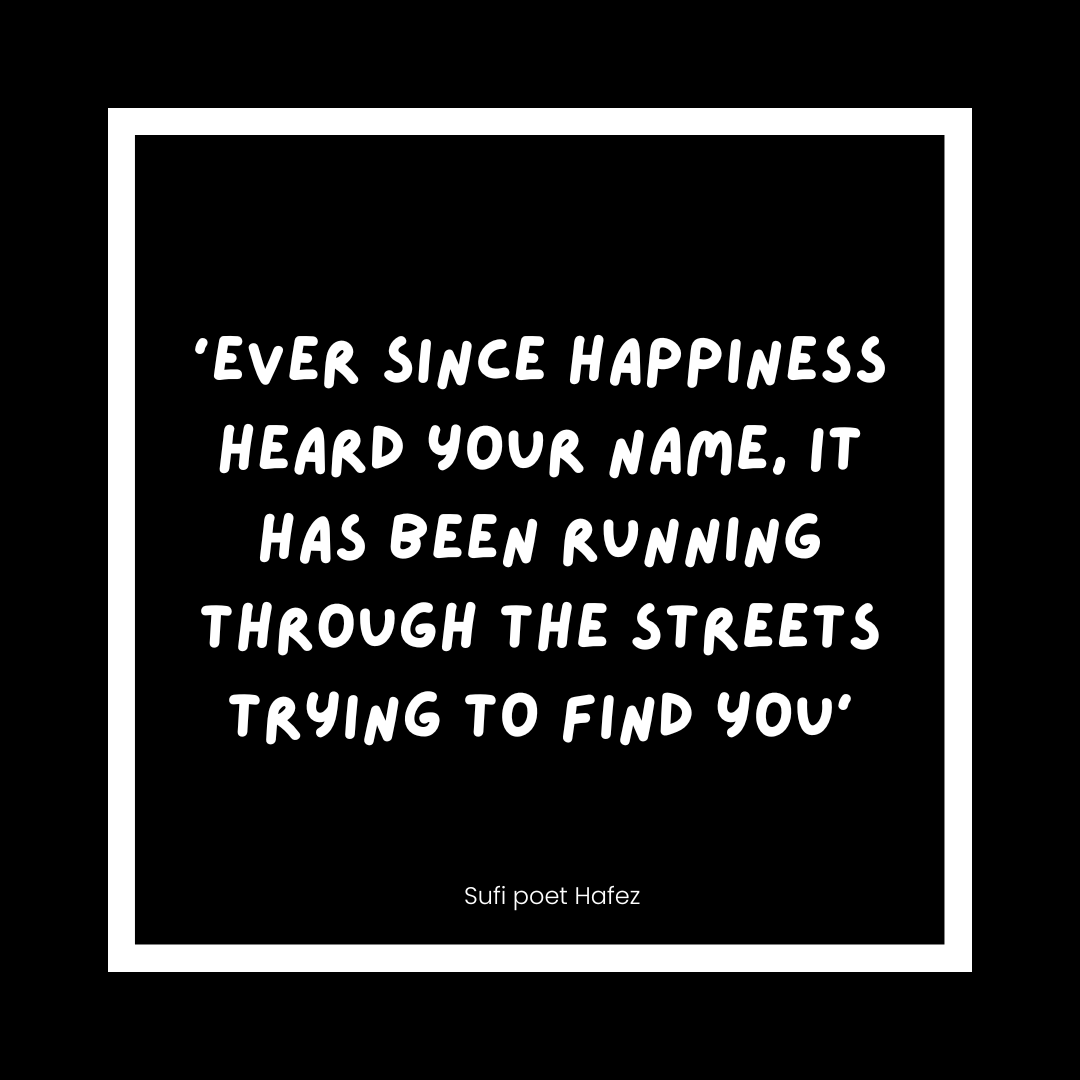

There comes a point in many of our lives when we understand, or at least intuit, that the peace and happiness for which we long can never be found in an object, substance, activity, circumstance or relationship. This understanding does not imply that we lose interest in the world or that we no longer engage with objects, activities and relationships, but simply that we no longer do so for the purpose of finding peace, happiness and love in them.
-Rupert Spira

“Take this whole life as a myth, as a story. It is one, but once you take it this way you will not be unhappy. Unhappiness comes out of too much seriousness. Try for seven days; for seven days remember only one thing – that the whole world is just a drama – and you will not be the same again. Just for seven days! You are not going to lose much because you don’t have anything to lose.
“You can try it. For seven days take everything as a drama, just as a show.
“These seven days will give you many glimpses of your buddha nature, of your inner purity. And once you have the glimpse you cannot be the same again. You will be happy, and you cannot conceive of what type of happiness can happen to you because you have not known any happiness. You have known only degrees of unhappiness: sometimes you were more unhappy, sometimes less unhappy, and when you were less unhappy you called it happiness.
“You don’t know what happiness is because you cannot know. When you have a concept of the world in which you are taking it very seriously, you cannot know what happiness is. Happiness happens only when you are grounded in this attitude, that the world is just a play.

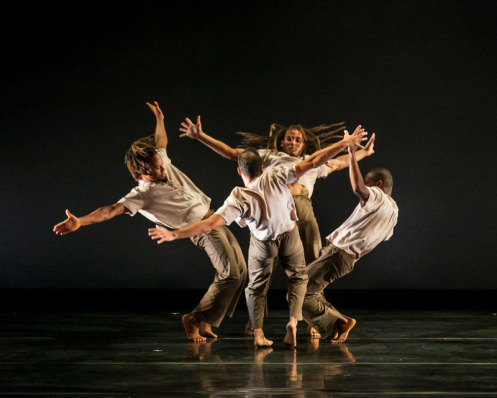 “Our notions about happiness entrap us. We forget that they are just ideas. Our idea of happiness can prevent us from actually being happy. We fail to see the opportunity for joy that is right in front of us when we are caught in a belief that happiness should take a particular form.”
―
But can you convert a lie into a truth? Just in appearance you can. Try it. Go on repeating something and you will start believing it. It may be that you are not as miserable as you look. Because you have been repeating, “I am in misery, I am in misery, I am in misery,” and you have repeated it so often, now you look miserable. Just look into your misery. Are you really miserable, really in such hell as you show by your face? Have a second thought. Immediately you will not feel so miserable because nobody can be as miserable as you look.
-Osho

We receive a fatal imprint in childhood, at the time of our greatest plasticity, of our passive impressionism, of our helplessness before suggestion. In no period has the role of the parents loomed as immense, because we have recognized the determinism, but at the same time an exaggeration in the size of the Enormous Parent does not need to be permanent and irretrievable. Continue reading
 ONE TUSK