The philosopher Owen Flanagan puts it this way: “We are born into families and communities with an image of persons already in place. We have no say about the location in space of images into which we are born. The image antedates us, often by centuries. . . . Once we reach an age where we do have some control, we work from the image, from the story that is already deeply absorbed, a story line that is already part of our self-image.” We can become stout defenders of that self-image even as it becomes less and less about ourselves and more and more about an externally imposed image….. Continue reading
culture
Creative Revolution
 To revolt within society in order to make it a little better, to bring about certain reforms, is like the revolt of prisoners to improve their life within the prison walls; and such revolt is no revolt at all, it is just mutiny. Do you see the difference? Revolt within society is like the mutiny of prisoners who want better food, better treatment within the prison; but revolt born of understanding is an individual breaking away from society, and that is creative revolution. Continue reading
The Journey from Hero to Host
For too long, too many of us have been entranced by heroes. Perhaps it’s our desire to be saved, to not have to do the hard work, to rely on someone else to figure things out. Constantly we are barraged by politicians presenting themselves as heroes, the ones who will fix everything and make our problems go away. It’s a seductive image, an enticing promise. And we keep believing it. Somewhere there’s someone who will make it all better. Somewhere, there’s someone who’s visionary, inspiring, brilliant, trustworthy, and we’ll all happily follow him or her. Somewhere…
Well, it is time for all the heroes to go home, as the poet William Stafford wrote. It is time for us to give up these hopes and expectations that only breed dependency and passivity, and that do not give us solutions to the challenges we face. It is time to stop waiting for someone to save us. It is time to face the truth of our situation—that we’re all in this together, that we all have a voice—and figure out how to mobilize the hearts and minds of everyone in our workplaces and communities.
 Leaders who journey from hero to host have seen past the negative dynamics of politics and opposition that hierarchy breeds, they’ve ignored the organizational charts and role descriptions that confine people’s potential. Instead, they’ve become curious. Who’s in this organization or community? What skills and capacities might they offer if they were invited into the work as full contributors? What do they know, what insights do they have that might lead to a solution to this problem?
Leaders‐as‐hosts know that people willingly support those things they’ve played a part in creating—that you can’t expect people to ‘buy‐in’ to plans and projects developed elsewhere. Leaders‐as‐hosts invest in meaningful conversations among people from many parts of the system as the most productive way to engender new insights and possibilities for action. They trust that people are willing to contribute, and that most people yearn to find meaning and possibility in their lives and work. And these leaders know that hosting others is the only way to get complex, intractable problems solved.
Leaders‐as‐hosts don’t just benevolently let go and trust that people will do good work on their own. Leaders have a great many things to attend to, but these are quite different than the work of heroes. Hosting leaders must:
We need more producers across all industries….
What a Producer Does
 He has an idea and pursues it; or he learns of someone else’s idea and seeks the means to realize upon it … indeed, to be sure that it is improved upon. A good producer, as an inspirer of creativity, must, himself, be creative. He is a creative administrator … a judge of creativity. He guides and helps hundreds of people toward an objective that becomes increasingly clear-cut as the work proceeds from an idea, through its script and budget preparation, then to shooting (very tense and money hazardous), then to post-production (cost manageable and leisurely if you don’t have a pressing air date or release deadline). It’s like herding bees with a switch. Continue reading
Conversation with Jack Ma, Executive Chairman, Alibaba Group
The Ordinary Heroes of the Taj Hotel
( Contributed by Nidhi)
Lessons in Creating a Service Culture based on Kindness and Compassion not on greed and spin doctoring
Rosa Parks – Parks’ act of defiance and the Montgomery Bus Boycott became important symbols of the modern Civil Rights Movement.
Strong Culture of Execution
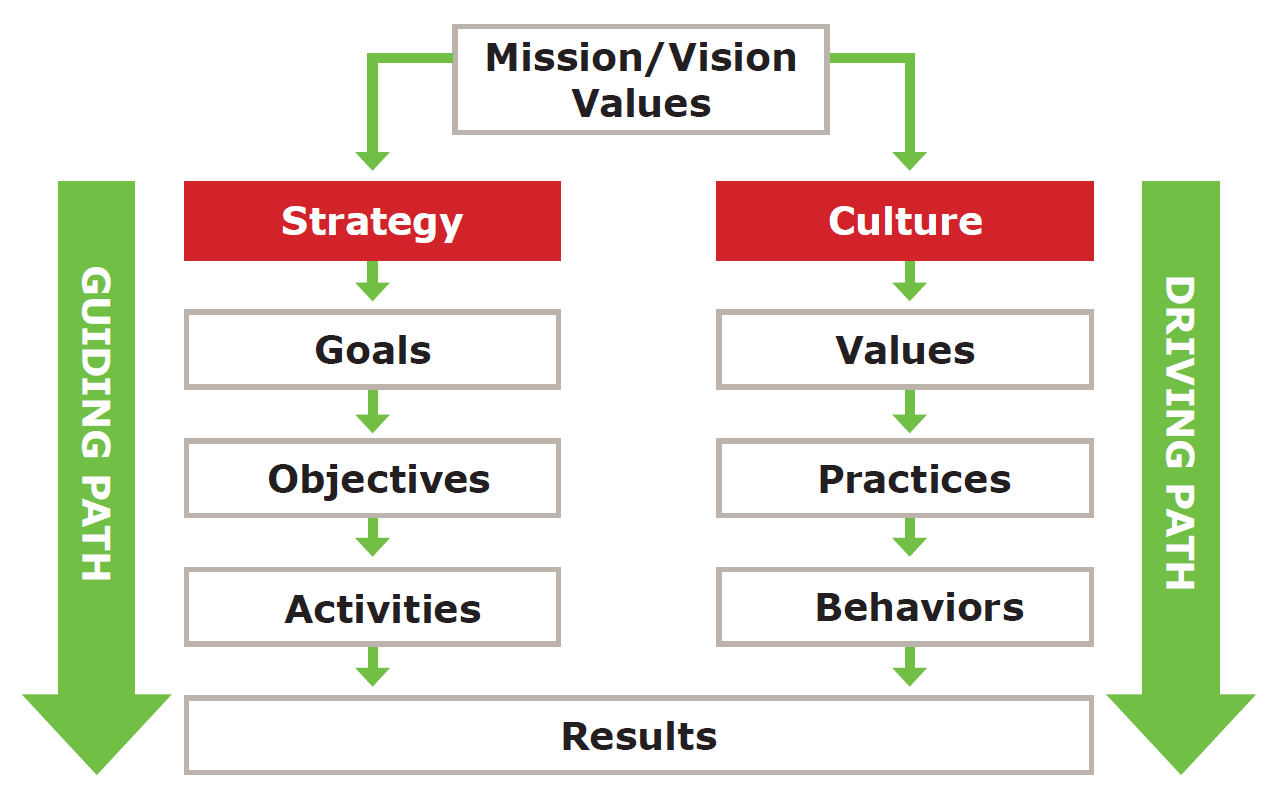
Source : TORBEN RICK http://www.torbenrick.eu
Good execution requires having a “systematic way of exposing reality and acting on it,” argue Larry Bossidy and Ram Charan in the book “Execution.” Most organizations, they say, don’t face reality very well. It’s the manager’s job to force his organization to face reality, and then to deal with it.
Amazon Leadership Principles
 Our Leadership Principles aren’t just a pretty inspirational wall hanging.
These Principles work hard, just like we do.
Amazonians use them, every day, whether they’re discussing ideas for new projects, deciding on the best solution for a customer’s problem, or interviewing candidates.
It’s just one of the things that makes Amazon peculiar……..
Book Recommendation – Creativity Inc by Ed Catmull

“Steve Jobs—not a man inclined to hyperbole when asked about the qualities of others—once described Ed Catmull as ‘very wise,’ ‘very self-aware,’ ‘really thoughtful,’ ‘really, really smart,’ and possessing ‘quiet strength,’ all in a single interview. Any reader of Creativity, Inc., Catmull’s new book on the art of running creative companies, will have to agree. Catmull, president of both Pixar and Walt Disney Animation, has written what just might be the most thoughtful management book ever.”—Fast Company
“It’s one thing to be creative; it’s entirely another—and much more rare—to build a great and creative culture. Over more than thirty years, Ed Catmull has developed methods to root out and destroy the barriers to creativity, to marry creativity to the pursuit of excellence, and, most impressive, to sustain a culture of disciplined creativity during setbacks and success. Pixar’s unrivaled record, and the joy its films have added to our lives, gives his method the most important validation: It works.”—Jim Collins, co-author of Built to Last and author of Good to Great
 ONE TUSK