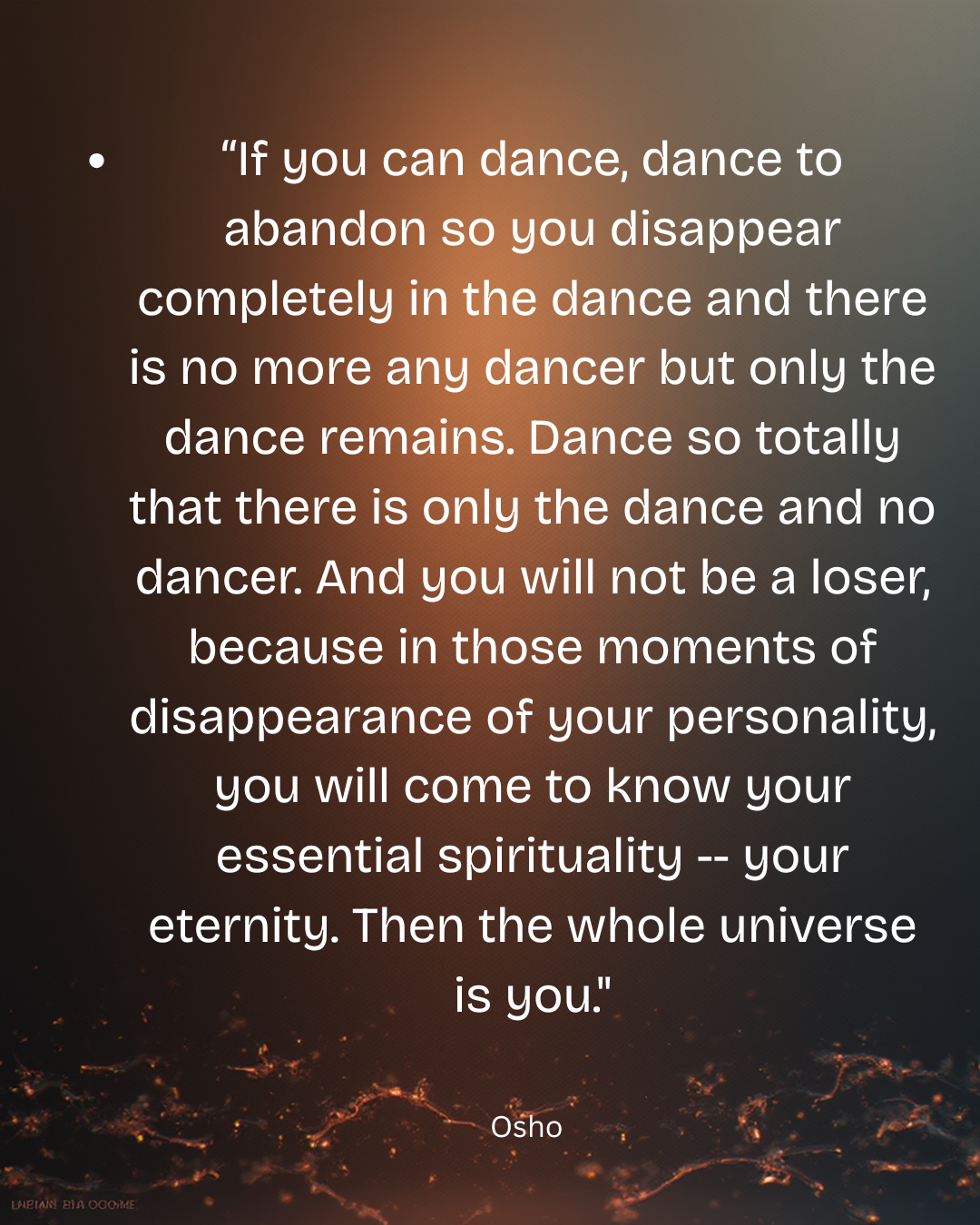
Dance so Totally that there is only the Dance and no Dancer….

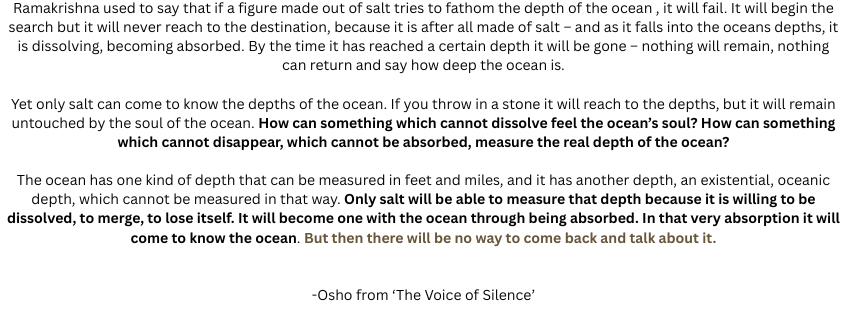
Where do thoughts come from? A questioner engages Rupert in a discussion about the consciousness-only model, the origin of thoughts, the nature of the mind and how we can go beyone the limitations of the mind.
Rupert explains that in the consciousness only model infinite consciousness is the medium within which literally everything arises. Thoughts may be conditioned from individual experiences that we have like a toothache, by events that take place outside your mind like the coronavirus or your own past conditioning through experiences you had as a child. The more we explore our experience the more we realize that the self of each of us, is the self of infinite awareness.
And at some point the personal thoughts and feelings tend to die down because there is no longer a clearly defined personal self or ego for them to revolve around. The mind expands until it loses its limitations and is recognized to be one with infinite consciousness or, in religious language, with God’s presence.

The Vedanta recognises no sin, it only recognises error. And the greatest error, says the Vedanta, is to say that you are weak, that you are a sinner, a miserable creature, and that you have no power and you cannot do this and that. Every time you think in that way, you, as it were, rivet one more link in the chain that binds you down, you add one more layer of hypnotism on to your own soul. Therefore, whosoever thinks he is weak is wrong, whosoever thinks he is impure is wrong, and is throwing a bad thought into the world. This we must always bear in mind that in the Vedanta there is no attempt at reconciling the present life — the hypnotised life, this false life which we have assumed — with the ideal; but this false life must go, and the real life which is always existing must manifest itself, must shine out. No man becomes purer and purer, it is a matter of greater manifestation. The veil drops away, and the native purity of the soul begins to manifest itself. Everything is ours already — infinite purity, freedom, love, and power.
Swami Vivekannda – Practical Vedanta
 ONE TUSK