Journaling is impactful because it creates a unique space where multiple powerful psychological processes converge:
It externalises internal chaos. The simple act of moving thoughts from your mind to paper transforms abstract worries into manageable, concrete problems. This shift from internal rumination to external observation gives you psychological distance and clarity you can’t achieve through thinking alone.
It activates neuroplasticity (brain’s ability to change and adapt due to experience). Writing engages both analytical and creative brain regions simultaneously, literally rewiring neural pathways. The physical act of writing (especially by hand) strengthens memory formation and emotional processing in ways that typing or just thinking cannot match.
It breaks the illusion of permanence. When you write down fears, anger, or confusion, you often discover they’re more temporary and changeable than they felt in your head. Seeing “I’m terrible at everything” on paper reveals its absurdity in a way that thinking it doesn’t.
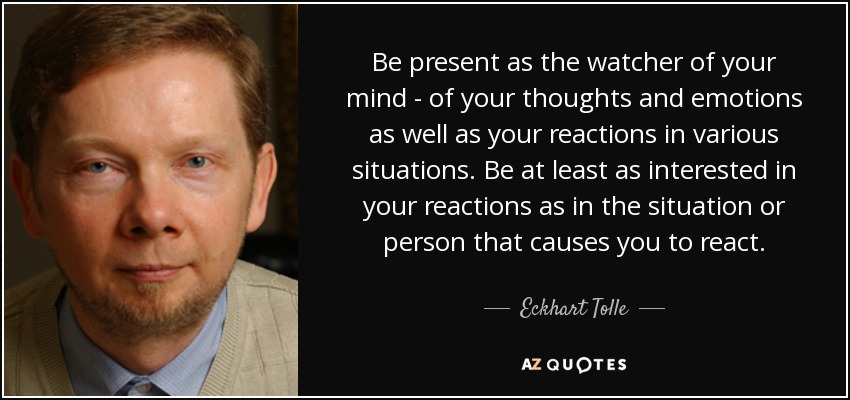
It creates a witness to your life. Journaling makes you both the observer and the observed, developing a kind of compassionate self-awareness. You begin treating yourself with the same curiosity and kindness you’d show a friend telling you their story.
It builds emotional resilience. Regular journaling literally practices the skill of processing difficult emotions. Each time you write through pain, confusion, or challenge, you strengthen your capacity to handle future difficulties.
It reveals your authentic voice. Without audience or judgment, your true thoughts, values, and desires emerge. Many people discover who they really are through journaling, separate from who they think they should be.
It creates forward momentum. Writing clarifies not just what is, but what could be, naturally leading to insights about next steps and positive change.
“The most important thing you learn from writing is about yourself.” — Ray Bradbury





 ONE TUSK