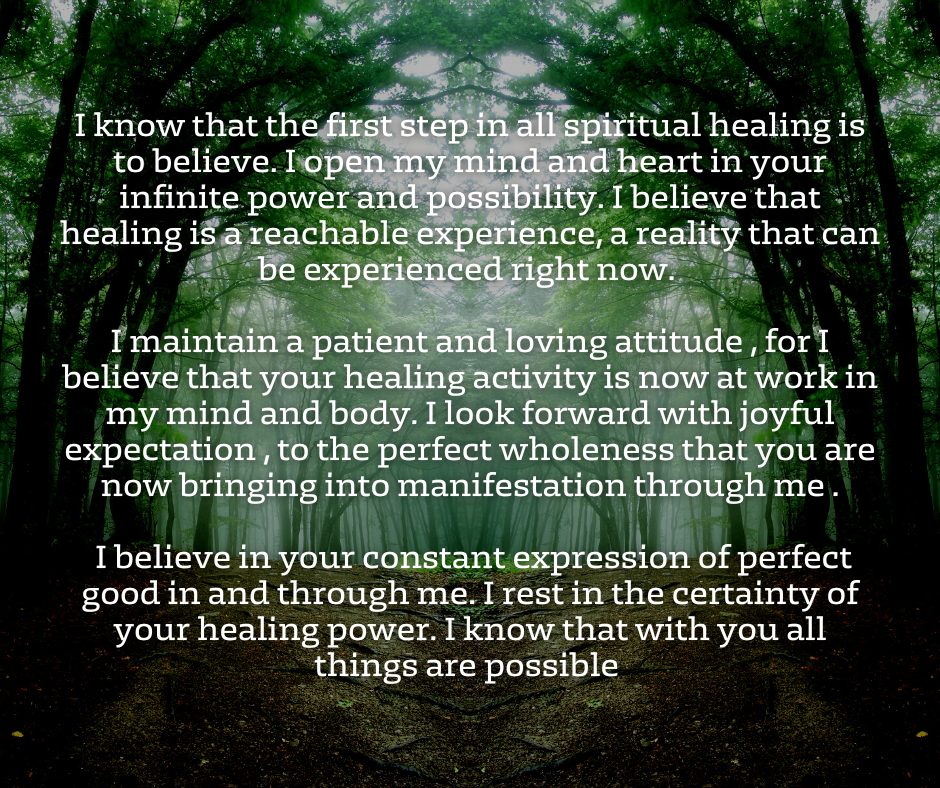
Healing is a reachable experience

To be at peace and content is not difficult for those who have no preferences. When likes and dislikes are not present everything becomes clear and simple. Make the smallest distinction, however, and you will be exiled from the realm of eternal happiness which is your birthright.
If you wish to be happy and at peace, then hold no opinions for or against anyone or anything. To set up what you like against what you dislike is a conditioned habit of the mind. It is a recipe for misery. When we allow things to be as they are, things allow us to be as we are, and the peace and happiness that is our nature emerges effortlessly.
-Rupert Spira rendition of Hsin Hsin Ming by Seng- Tsan

There comes a point in many of our lives when we understand, or at least intuit, that the peace and happiness for which we long can never be found in an object, substance, activity, circumstance or relationship. This understanding does not imply that we lose interest in the world or that we no longer engage with objects, activities and relationships, but simply that we no longer do so for the purpose of finding peace, happiness and love in them.
-Rupert Spira
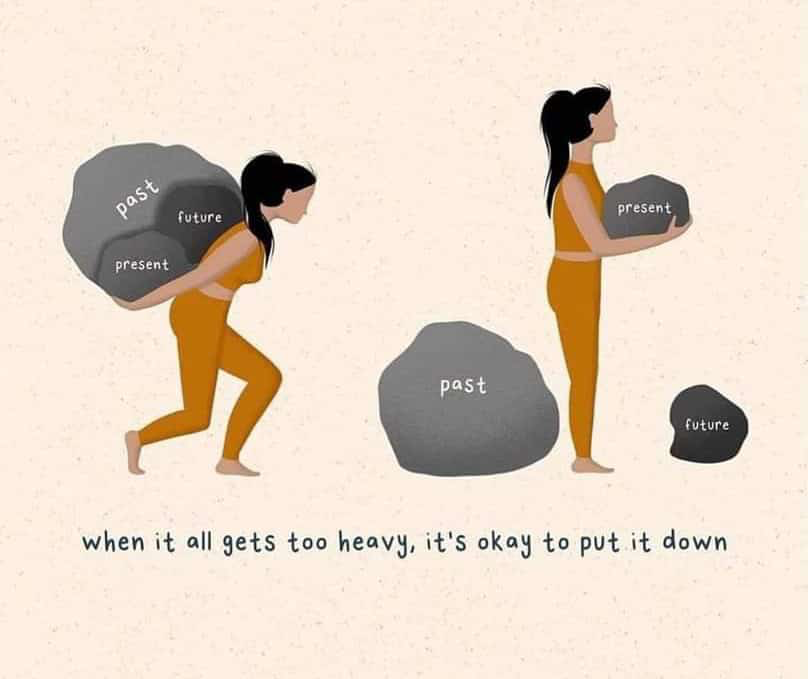
( Contributed by Mr Balasunder)
― Rupert Spira, Being Myself
![Four Thousand Weeks: Time Management for Mortals by [Oliver Burkeman]](https://m.media-amazon.com/images/I/41uw2Gp4x4L.jpg)
The average human lifespan is absurdly, insultingly brief. Assuming you live to be eighty, you have just over four thousand weeks.
Nobody needs telling there isn’t enough time. We’re obsessed with our lengthening to-do lists, our overfilled inboxes, work-life balance, and the ceaseless battle against distraction; and we’re deluged with advice on becoming more productive and efficient, and “life hacks” to optimize our days. But such techniques often end up making things worse. The sense of anxious hurry grows more intense, and still the most meaningful parts of life seem to lie just beyond the horizon. Still, we rarely make the connection between our daily struggles with time and the ultimate time management problem: the challenge of how best to use our four thousand weeks.
Drawing on the insights of both ancient and contemporary philosophers, psychologists, and spiritual teachers, Oliver Burkeman delivers an entertaining, humorous, practical, and ultimately profound guide to time and time management. Rejecting the futile modern fixation on “getting everything done,” Four Thousand Weeks introduces readers to tools for constructing a meaningful life by embracing finitude, showing how many of the unhelpful ways we’ve come to think about time aren’t inescapable, unchanging truths, but choices we’ve made as individuals and as a society—and that we could do things differently.
( Contributed by Mr Balasunder)


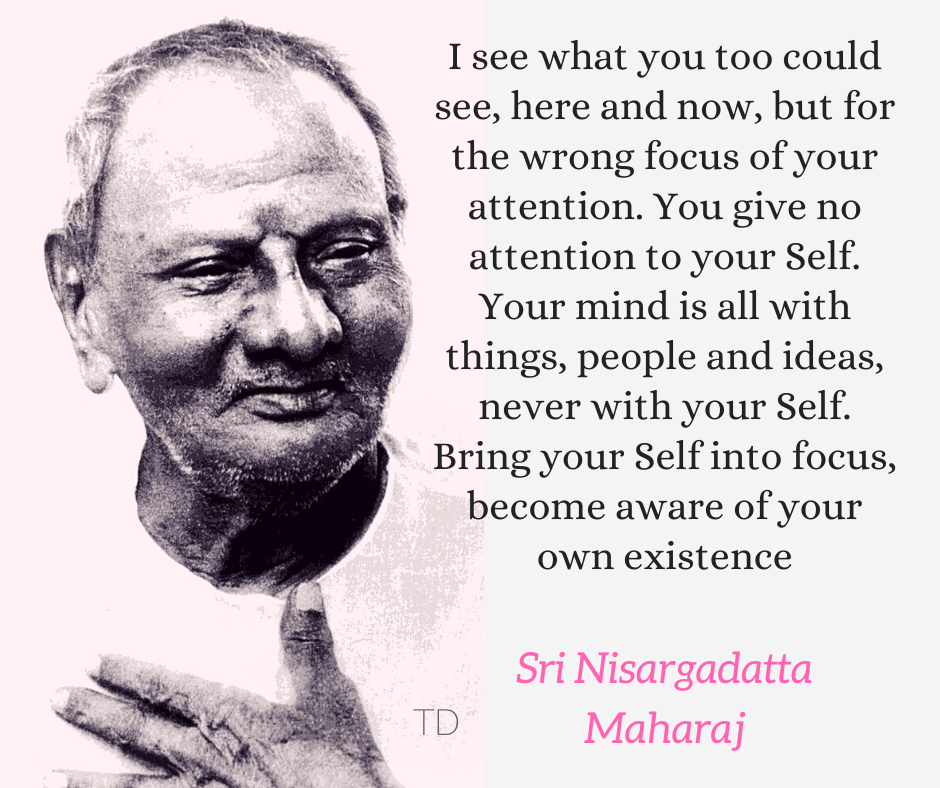
 ONE TUSK