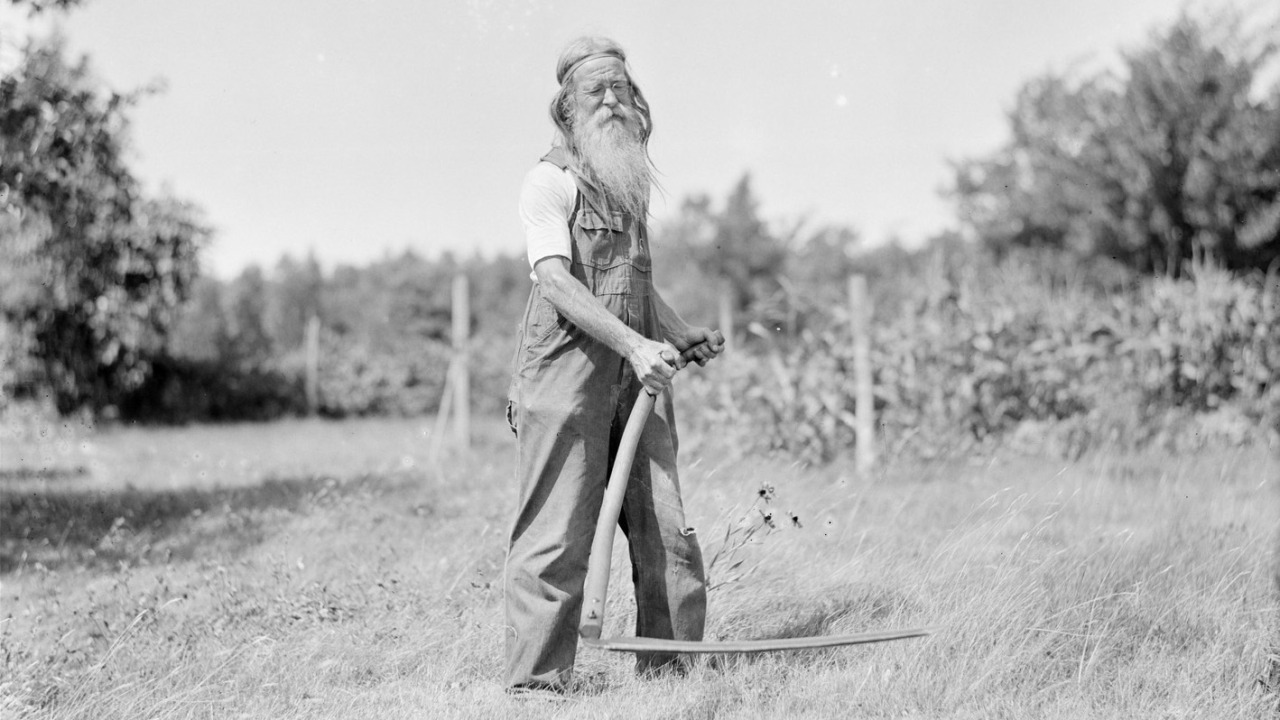
There was a farmer who grew excellent quality corn. Every year he won the award for the best grown corn. One year a newspaper reporter interviewed him and learned something interesting about how he grew it. The reporter discovered that the farmer shared his seed corn with his neighbors. “How can you afford to share your best seed corn with your neighbors when they are entering corn in competition with yours each year?” the reporter asked.
“Why sir,” said the farmer, “Didn’t you know? The wind picks up pollen from the ripening corn and swirls it from field to field. If my neighbors grow inferior corn, cross-pollination will steadily degrade the quality of my corn. If I am to grow good corn, I must help my neighbors grow good corn.”
Bottom line:
If you manage to see how interconnected the game really is, then it becomes evident that cooperation and reciprocity are the best strategies of all.
“The moment anything happens to us, that’s when we start asking ourselves questions. The sooner we recognize what we’re asking, the better”
Questions are at the core of how we listen, behave, think, and relate–as individuals and organizations. Virtually everything we think and do is generated by questions. Questions push us into new territories. The future begins with our thinking, represented by the questions we ask ourselves.”Change Your Questions, Change Your Life” shows readers how to consistently choose the questions that can lead them to success, both personally and professionally. This technique, called “QuestionsThinking,” stimulates innovation, accelerate productivity, and create more rewarding relationships.
Absolutely loved this book. I recommend this to any leader, educator, professional, college student, husband, wife, etc. The ideas discussed are very relevant and applicable in todays era. The themes can be utilized in most any stage of life and nearly every form of work. The concepts that Marilee Adams reviews are broken down into the simple questions (verbal or nonverbal) we ask ourselves on a day-to-day, moment-to-moment basis. First of all, I couldn’t believe that I am literally asking questions every day. It’s so subtle and happens so unconsciously that we don’t even realize it. Once I did, I couldn’t believe how my questions were driving my habits, actions, and feelings. By increasing overall awareness (observer self) while learning to ask yourself the right questions, in any given situation, can give you the power to change your life in nearly every facet.
This has to be one of the best psychology books I’ve come across that has both the personal relevancy and impact to truly change your life. This is a must-have to your personal library.
Not that which the eye can see, but that whereby the eye can see: know that to be Brahman the eternal, and not what people here adore;
Not that which the ear can hear, but that whereby the ear can hear: know that to be Brahman the eternal, and not what people here adore;
Not that which speech can illuminate, but that by which speech can be illuminated: know that to be Brahman the eternal, and not what people here adore;
Not that which the mind can think, but that whereby the mind can think: know that to be Brahman the eternal, and not what people here adore.
“It seems a farmer was out working his field when his plow caught on something, and it wouldn’t budge. The horse reared up and the farmer cursed. After calming the horse the farmer yanked back on the braces. But the plow still wouldn’t budge. Because he was an impatient man his first reaction was to go into Judger. Had a rock or other obstacle broken his plowshare? That could mean losing at least two days’ work while he hauled the broken parts to the blacksmith! Cursing, he began digging around to free the plow. To his surprise, he discovered that it was caught on an iron ring buried six inches under the ground. After freeing his plow, the farmer got curious. He cleared away some of the dirt and pulled on the iron ring. Off came the lid of an ancient chest. He peeked down inside it. Before him, glittering in the sun, lay a treasure of precious jewels and gold.
Where you stumble, there your treasure is
This story reminds us that it is often by confronting our toughest obstacles that we find our greatest strengths and possibilities, but sometimes we’ve got to dig deep to find them. Campbell had a phrase for it: Where you stumble, there your treasure is.
To uncover that treasure you’d ask yourself questions like: What could I discover? What haven’t I noticed before? What might be valuable here?”
Change Your Questions, Change Your Life: 12 Powerful Tools for Leadership, Coaching, and Lifeby Marilee Adams and Marshall Goldsmith
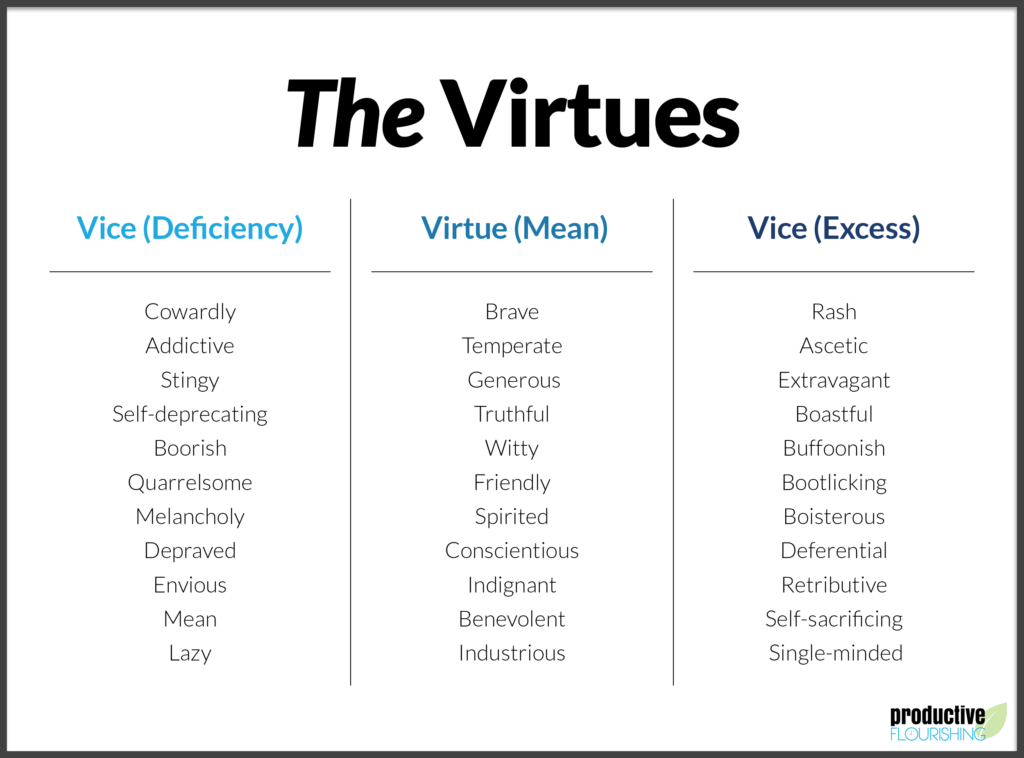
Aristotle’s 12 virtues are a great checklist to understand the different morals, values, and virtues that you could cultivate or restrain in your life. It’s like an ancient Greek personality test.
Moderation in all things, including moderation: Aristotle was clear that too much (excess) of any virtue is just as bad as lack (deficiency). You must find the mean, the right balance.
“A monk decides to meditate alone. Away from his monastery, he takes a boat and goes to the middle of the lake, closes his eyes and begins to meditate. After a few hours of unperturbed silence, he suddenly feels the blow of another boat hitting his. With his eyes still closed, he feels his anger rising and, when he opens his eyes, he is ready to shout at the boatman who dared to disturb his meditation.